
Welcome to my kitchen, where every meal is a celebration of flavor and tradition! Today, we’re diving into a dish that dances on your taste buds—Sweet and Spicy Gochujang Shrimp. This vibrant recipe blends the rich heritage of Korean cooking with a touch of heat, making it perfect for sharing around the dinner table with family and friends. With its delightful balance of sweet and spicy, it’s the kind of dish that brings back memories of cozy gatherings and laughter. Let’s embark on this culinary journey together!
Why You’ll Love This Recipe
This Sweet and Spicy Gochujang Shrimp recipe offers more than just a meal; it’s an experience to savor! Here are five reasons why this dish will win your heart:
- Flavor Explosion: The combination of spicy gochujang, honey, and garlic creates a sauce that’s packed with vibrant flavors, making every bite a delight.
- Quick & Easy: This recipe is perfect for busy weeknights, taking just about 30 minutes from start to finish, allowing you to whip up a gourmet meal without the fuss.
- Versatile Dish: Serve it over rice, noodles, or alongside a fresh salad, making it adaptable to any meal or occasion.
- Family-Friendly: With a balance of flavors, even the pickiest eaters will enjoy this dish, transforming dinner into a joyful experience.
- Memorable Moments: Cooking and sharing this dish with loved ones can create cherished memories, reminiscent of warm family gatherings.
Ingredients Breakdown
Let’s gather our ingredients for this delicious Sweet and Spicy Gochujang Shrimp. Here’s what you’ll need:

★ Recommended Kitchen Tool
Seafood Scissors
Make this recipe even easier with a quality Seafood Scissors — a must-have kitchen staple!
- Shrimp Coating: 450g (1 lb) jumbo shrimp, peeled and deveined (tails optional)
- Corn Starch: ⅓ cup, for a crispy coating
- Garlic Powder: ½ tsp, for added flavor
- Black Pepper: ⅛ tsp, to spice things up
- Neutral Oil: ¼ cup (sunflower or avocado) for frying
Sweet & Spicy Gochujang Sauce:
- ¼ cup gochujang paste, the star of this recipe
- 2 Tbsp honey, for sweetness
- 1 Tbsp soy sauce (or tamari for gluten-free option)
- 2 cloves garlic, minced, to enhance the sauce
- 1 Tbsp corn starch, to thicken the sauce
- ½ cup water, to adjust the sauce consistency
Feel free to make substitutions based on your preference! For instance, you can use shrimp alternatives like tofu or chicken, or adjust the honey for a vegan version.
How to Make Sweet and Spicy Gochujang Shrimp
Let’s get cooking with these simple steps:
- Prep the Shrimp: Begin by patting the shrimp dry with a paper towel. This helps the cornstarch stick better and creates a crispier exterior. In a bowl, toss the shrimp with cornstarch, garlic powder, and pepper until each piece is evenly coated.
- Mix the Sauce: In a small mixing bowl, whisk together the gochujang paste, honey, soy sauce, garlic, corn starch, and water. Make sure the cornstarch is fully dissolved—this will help the sauce thicken smoothly later.
- Pan-Fry the Shrimp: Heat a large skillet over medium-high heat and pour in the oil. Once shimmering, add the shrimp in a single layer. Fry for about 2–3 minutes per side until golden and lightly crisped. You may need to do this in batches to avoid overcrowding the pan. Transfer cooked shrimp to a plate lined with paper towel.
- Simmer the Sauce: Reduce the heat to medium. Pour the sauce mixture into the same skillet, stirring constantly. In just a minute or two, the sauce will begin to bubble and thicken into a rich glaze.
- Combine and Coat: Return the cooked shrimp to the skillet and gently toss to coat each piece thoroughly. Let them simmer together for another minute, just enough to marry the flavors.
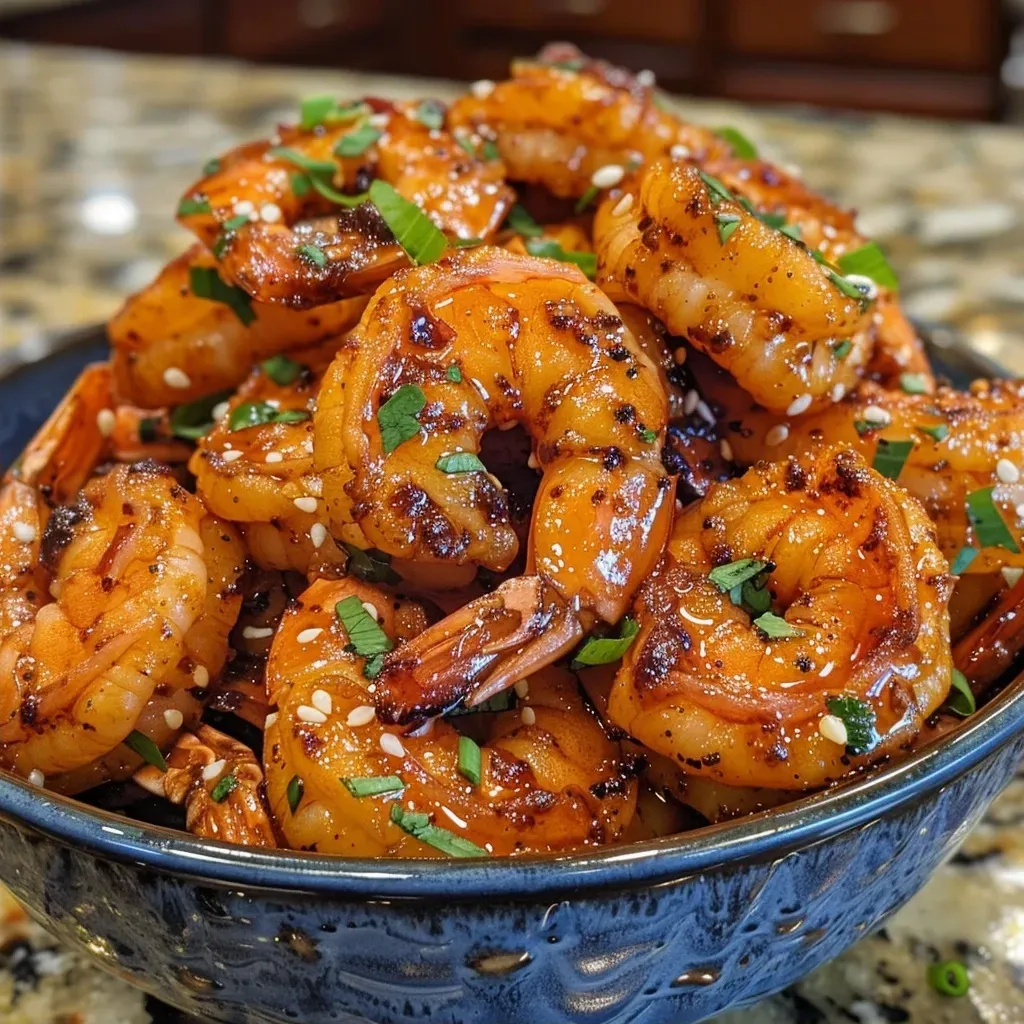
- Serve Warm and Fresh: Spoon the shrimp over freshly steamed white rice, fluffy quinoa, or soba noodles. Garnish with sliced scallions or toasted sesame seeds for a bit of crunch and brightness.
Pro Tips for Perfect Gochujang Shrimp
To elevate your cooking experience and ensure the best results, here are some expert insights:
- Dry the Shrimp: Ensuring your shrimp are dry helps achieve that perfect crispy coating.
- Adjust the Heat: If you prefer a milder flavor, start with a smaller amount of gochujang and gradually increase it to your taste.
- Use Fresh Ingredients: Fresh garlic and quality gochujang paste make a noticeable difference in flavor.
- Don’t Overcrowd the Pan: Cooking in batches prevents steaming and ensures each shrimp gets nicely crispy.
- Rest the Sauce: Allowing the sauce to sit off heat for a few moments will help the flavors meld together beautifully.
- Double the Recipe: This dish is great for leftovers, so consider making a larger batch for meal prep!
- Garnish Generously: A sprinkle of toasted sesame seeds and sliced scallions not only adds flavor but also enhances presentation.
- Experiment with Sides: Serve with pickled vegetables or a side salad for a refreshing contrast to the rich shrimp.
Common Mistakes and Troubleshooting
Even the best chefs encounter hiccups. Here’s how to avoid some common pitfalls:
- Too Much Sauce: If your sauce is too thin, let it simmer for an extra minute or two to thicken.
- Soggy Shrimp: Ensure the oil is hot before adding shrimp; low heat can lead to a soggy coating.
- Flavor Imbalance: Taste your sauce before adding it to the shrimp. Adjust sweetness or spiciness as needed.
- Burnt Garlic: Keep an eye on your garlic while cooking; it can burn quickly and become bitter.
Variations to Try
This recipe is versatile! Here are a few fun variations:
- Spicy Gochujang Cauliflower: Substitute shrimp with cauliflower florets for a vegetarian twist.
- Gochujang Shrimp Tacos: Serve the shrimp in warm corn tortillas with fresh toppings like avocado and cilantro.
- Sweet and Spicy Gochujang Fried Rice: Toss the shrimp and sauce with pre-cooked rice for a hearty meal.
- Gochujang Shrimp Stir-Fry: Add colorful vegetables like bell peppers and snap peas for a vibrant stir-fry.
Storage and Make-Ahead Instructions
If you want to prepare ahead or store leftovers, here’s how:
- Refrigeration: Store in an airtight container in the fridge for up to 3 days.
- Freezing: Freeze cooked shrimp in an airtight container for up to 2 months. Thaw in the fridge before reheating.
- Make-Ahead: You can prepare the sauce and coat the shrimp a day in advance. Just fry and combine before serving!
Comprehensive FAQ
Here are some common questions and answers about this delightful dish:
- Can I use frozen shrimp? Yes, just ensure they are fully thawed and drained before cooking.
- Is gochujang very spicy? It has a mild to moderate heat level; adjust the amount according to your taste preferences.
- What can I serve with gochujang shrimp? It pairs wonderfully with rice, quinoa, or even in a salad.
- Can I make this recipe gluten-free? Absolutely! Use tamari instead of soy sauce.
- How do I store leftovers? Keep in an airtight container in the fridge for up to 3 days.
- Can I make this dish vegan? Yes! Substitute shrimp with tofu and honey with maple syrup.
- What is the best way to reheat gochujang shrimp? Reheat in a skillet over medium heat to keep the shrimp crispy.
- Is this dish kid-friendly? Yes! Its sweet and spicy flavor appeals to both kids and adults.
Nutrition Tips and Dietary Adaptations
This recipe can be adapted to fit various dietary needs:
- Low-Carb: Serve with cauliflower rice instead of traditional rice.
- Paleo-Friendly: Substitute honey with coconut sugar and use fresh shrimp.
- High-Protein: Pair with high-protein sides like quinoa or edamame.
Equipment Recommendations
Here’s what you’ll need to make this dish:
- Skillet: A large non-stick skillet ensures even cooking and easy cleanup.
- Mixing Bowls: For preparing the shrimp and the sauce.
- Measuring Cups and Spoons: Essential for accurate ingredient measurements.
Serving Suggestions
To elevate your dining experience, consider the following serving ideas:
- Garnish: Top with toasted sesame seeds and sliced scallions for added flavor and crunch.
- Accompaniments: Serve with a light cucumber salad or kimchi for a refreshing contrast.
- Drinks: Pair with a chilled glass of white wine or iced green tea to balance the heat.
Conclusion
Thank you for joining me on this flavorful journey to create Sweet and Spicy Gochujang Shrimp! I hope this dish brings warmth and joy to your table, just as it does in my home. Remember, cooking is about love, connection, and sharing moments that matter. So gather your loved ones, share this delightful meal, and create memories that will last a lifetime. Happy cooking!
![['Close-up view of juicy Sweet and Spicy Gochujang Shrimp on a plate.', 'Side shot of succulent shrimp coated in vibrant red sauce, garnished with green herbs.', 'Detailed image of glistening shrimp with a spicy sauce, served in a rustic dish.', 'Close view of perfectly cooked shrimp drenched in gochujang sauce, ready to eat.']](https://timetocooks.com/wp-content/uploads/2026/05/sweet-and-spicy-gochujang-shrimp_1_U1-300x300.webp)
Sweet and Spicy Gochujang Shrimp
Ingredients
Shrimp Coating
- 450 g jumbo shrimp, peeled and deveined (tails optional)
- ⅓ cup corn starch
- ½ tsp garlic powder
- ⅛ tsp black pepper
- ¼ cup neutral oil (sunflower or avocado)
Sweet & Spicy Gochujang Sauce
- ¼ cup gochujang paste
- 2 Tbsp honey
- 1 Tbsp soy sauce (or tamari for gluten-free option)
- 2 cloves garlic, minced
- 1 Tbsp corn starch
- ½ cup water
Instructions
- Pat dry the shrimp and toss with cornstarch, garlic powder, and pepper to coat.
- Whisk together gochujang, honey, soy sauce, garlic, cornstarch, and water to make the sauce.
- Heat oil in a skillet, fry shrimp until golden, then transfer to paper towels.
- Pour sauce into the skillet, simmer until thickened, then add shrimp and toss to coat.
- Serve immediately over rice or noodles, garnished as desired.