
Welcome to a culinary journey that wraps you in warmth and love! These Korean Beef Rice Bowls are not just a meal; they are an experience, a memory, and a way to connect with those you cherish. With every bite, you’ll taste the delightful blend of flavors that make this dish irresistible. Perfect for a weeknight dinner or a special gathering, this recipe is all about sharing love through food.
Why You’ll Love This Recipe
Cooking is all about sharing moments, and this Korean Beef Rice Bowl brings together a harmony of flavor and nostalgia. Here’s why you’ll fall in love with it:
- Quick and Easy: Ready in just 30 minutes, making it a perfect weeknight meal.
- Flavor Explosion: A delightful balance of savory and spicy with a hint of sweetness from the brown sugar.
- Customizable: Adjust the spice level and add your favorite toppings to make it your own.
- Healthy and Nutritious: Packed with fresh vegetables like cucumber and carrots, plus protein-rich ground beef.
- Family-Friendly: Kids and adults alike will love digging into these flavorful bowls!
Ingredient Breakdown
Let’s dive into the heart of this recipe—the ingredients. Each component plays a crucial role in creating the perfect Korean Beef Rice Bowl.
- Ground Beef: Use 500 g (1 lb) of minced beef for a rich, hearty base. You can substitute with ground turkey or chicken for a leaner option.
- Fresh Garlic and Ginger: These aromatics add depth to the sauce. Always opt for freshly grated for the best flavor.
- Soy Sauce: A staple in Korean cooking, it forms the backbone of the sauce. Use low-sodium soy sauce to cut down on salt.
- Brown Sugar: This adds a touch of sweetness that balances the savory elements; feel free to replace it with honey or maple syrup.
- Gochujang: A Korean red chili paste that brings heat and complexity to the dish. Adjust the amount based on your spice preference.
- Sesame Oil: A drizzle of this oil enhances the aroma and gives an authentic taste.
- Rice Vinegar: Brightens up the dish and balances the flavors.
- Vegetables: Fresh cucumber, julienned carrots, and spring onions add crunch and freshness.
- Kimchi: A traditional side that complements the beef perfectly, adding tang and probiotics.
- Jasmine Rice: Serves as the comforting base of the bowl, providing a soft backdrop to the flavorful beef.
Steps to Create Your Korean Beef Rice Bowls
Now that we have our ingredients ready, let’s get cooking!
- Prepare the Sauce: In a small bowl, whisk together the garlic, ginger, soy sauce, brown sugar, sesame oil, gochujang, rice vinegar, and sesame seeds until smooth. Set aside.
- Brown the Beef: Heat the oil in a large frying pan over medium-high heat. Add the minced beef, breaking it up as it cooks until browned.
- Simmer the Sauce: Pour the prepared sauce over the browned beef, stirring well to coat. Let it simmer for 2-3 minutes until the sauce thickens slightly. Remove from heat and stir in the spring onions.
- Make the Gochujang Mayo: In a small bowl, mix together mayonnaise, gochujang, sesame oil, and rice vinegar until smooth. Set aside.
- Assemble the Bowls: Divide the cooked jasmine rice among four bowls. Top with the Korean beef mixture, a generous serving of kimchi, julienned carrot, and cucumber slices. Drizzle the gochujang mayo over the top and sprinkle with extra sesame seeds and spring onion for garnish.
Pro Tips for Perfect Bowls
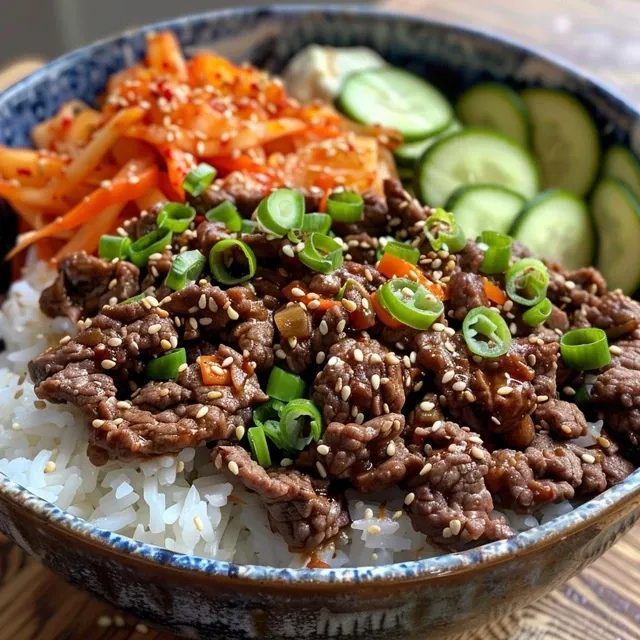
To ensure your Korean Beef Rice Bowls are a hit, keep these expert tips in mind:
- Don’t Rush the Browning: Take your time to brown the beef well; this adds a wonderful depth of flavor.
- Adjust Spice Levels: If you’re sensitive to heat, start with less gochujang and taste as you go.
- Use Fresh Ingredients: Fresh garlic, ginger, and vegetables elevate the dish significantly.
- Make Ahead: The beef can be cooked in advance and reheated, saving you time during busy nights.
- Store Properly: Keep leftovers in an airtight container in the refrigerator for up to three days.
- Experiment with Toppings: Try adding avocado, egg, or different pickled vegetables for a twist!
- Pair with Sides: Serve with a side of miso soup or steamed vegetables for a complete meal.
- Garnish Generously: Don’t skimp on the sesame seeds or spring onions; they add both flavor and visual appeal.
Common Mistakes and Troubleshooting
We all make mistakes in the kitchen, but here’s how to avoid some common pitfalls when making Korean Beef Rice Bowls:
- Overcooking the Beef: Cook until just browned, as overcooked beef can become tough.
- Too Much Sauce: If the sauce seems overly salty, balance it out with a little more sugar or some water.
- Not Enough Vegetables: Don’t skimp on the veggies—add as many as you like for added nutrition and crunch!
- Ignoring the Resting Time: Letting the beef sit for a few minutes after cooking allows flavors to meld.
Variations to Try
Feel free to get creative with this recipe! Here are some variations to inspire you:
- Spicy Tofu Bowls: Substitute ground beef with crumbled firm tofu for a vegetarian delight.
- Beef and Broccoli: Add steamed broccoli to the beef mixture for extra nutrients and color.
- Sweet and Sour Version: Incorporate pineapple chunks and bell peppers for a sweet twist.
- Rice Noodle Bowls: Swap out jasmine rice for rice noodles for a different texture.
Storage and Make-Ahead Instructions
This dish is great for meal prepping! Here’s how you can store it:
- Refrigerate: Store leftovers in an airtight container for up to three days.
- Freeze: The beef mixture can be frozen for up to three months. Thaw in the fridge before reheating.
- Make Ahead: Prepare the beef and sauce in advance, and assemble the bowls when ready to serve.
Nutritional Information and Dietary Adaptations
This recipe is not only delicious but also nutritious! Here’s a breakdown:
- Protein-Rich: Ground beef provides a hearty source of protein for muscle health.
- Low-Carb Option: Use cauliflower rice instead of jasmine rice for a low-carb alternative.
- Dairy-Free: Substitute mayonnaise with a dairy-free option to make it suitable for lactose-intolerant guests.
Frequently Asked Questions
Here are some questions you might have while making this dish:
- Can I use ground turkey instead of beef? Absolutely! Ground turkey is a great lean alternative.
- What can I substitute for gochujang? You can use sriracha or a mix of chili powder and honey for a similar flavor.
- How can I make this recipe gluten-free? Use tamari instead of soy sauce and check your mayonnaise for gluten.
- Can I add more vegetables? Yes! Feel free to add bell peppers, zucchini, or any of your favorites.
- Is this dish spicy? The spice level can vary based on the amount of gochujang used; adjust to your preference.
- What’s the best way to serve leftovers? Reheat in a pan on the stove for best texture, or in the microwave until warm.
- How do I store kimchi? Keep it in the fridge in a sealed container; it gets better with time!
- Can I make this dish vegetarian? Yes, substitute the beef with lentils or mushrooms for a hearty vegetarian option.
Equipment Recommendations
To make your cooking experience smoother, here are some essential tools:
- Large Frying Pan: Ideal for browning the beef and mixing in the sauce.
- Whisk: Great for mixing the sauce ingredients thoroughly.
- Cutting Board and Knife: For chopping vegetables and preparing ingredients.
- Measuring Cups and Spoons: Essential for accurate ingredient measurements.
- Mixing Bowls: Handy for combining sauces and toppings.
Serving Suggestions
To elevate your Korean Beef Rice Bowls, consider these serving ideas:
- Pair with Miso Soup: A warm, savory soup complements the meal beautifully.
- Side Salad: A fresh salad with a sesame dressing adds a refreshing contrast.
- Make it a Feast: Serve with an array of Korean side dishes like pickled radishes or spicy cucumbers.
- Offer Extra Toppings: Provide a toppings bar with extra sesame seeds, cilantro, and chili flakes for a customizable experience.
Conclusion
Cooking is a heartfelt endeavor, and these Korean Beef Rice Bowls embody the spirit of sharing and connection. With every ingredient and every step, you create not just a meal, but memories. Whether you’re gathered around the table with family or enjoying a quiet night in, this dish is sure to envelop you in warmth and flavor. So roll up your sleeves, gather your loved ones, and enjoy the joyous experience of cooking together. Happy cooking!
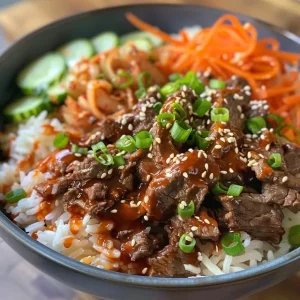
Korean Beef Rice Bowls
Ingredients
Sauces and seasonings
- 1 tsp freshly grated garlic
- 1 tsp freshly grated ginger
- 3 tbsp all-purpose soy sauce
- 2 tbsp brown sugar
- 1 tbsp sesame oil
- 1 tbsp gochujang adjust for spice preference
- 1 tsp rice vinegar
- 1 tbsp sesame seeds plus extra for garnish
- 2 tbsp extra-virgin olive oil or neutral oil
Main ingredients
- 500 g minced (ground) beef
- 2 scallions spring onions, finely sliced 1 tbsp reserved for garnish
- 3 tbsp whole-egg mayonnaise see note 2 about dairy-free
- 1 tsp gochujang
- ½ tsp sesame oil
- ½ tsp rice vinegar
- 2 cups cooked jasmine rice
- 1 cup kimchi
- 1 piece carrot, julienned
- 1 Lebanese (short) cucumber, sliced into half moons
Instructions
- Whisk together garlic, ginger, soy sauce, brown sugar, sesame oil, gochujang, rice vinegar, and sesame seeds. Set aside.
- Cook beef in oil until browned. Add sauce and simmer 2-3 minutes. Stir in spring onion.
- Whisk mayo ingredients until smooth. Divide rice into bowls, top with beef, kimchi, carrot, cucumber, and drizzle mayo. Garnish with sesame seeds and spring onion.