
Welcome to the Heart of Homemade Bread
There’s something magical about the aroma of freshly baked bread wafting through your home, isn’t there? It’s more than just a recipe; it’s a cherished tradition that connects us to our roots, our families, and the warmth of love shared around the dinner table. Today, I’m excited to share with you a homemade bread recipe that not only fills your kitchen with warmth but also wraps you in a cozy hug with every bite. This isn’t just any bread; this is the bread that brings friends and family together and creates memories that last a lifetime.
Why You’ll Love This Recipe
This homemade bread recipe is perfect for both beginners and seasoned bakers. Here’s why it stands out:
- Simple Ingredients: With just a few basic ingredients, you can create a loaf that rivals those from your favorite bakery.
- Comforting Aroma: The scent of baking bread is like a warm embrace, instantly making your home feel inviting.
- Customizable: Feel free to add herbs, spices, or other ingredients to make it uniquely yours.
- Memorable Experience: Baking together with loved ones creates cherished moments and lasting memories.
- Healthier Option: Making your own bread allows you to control ingredients, ensuring a wholesome loaf without preservatives.
Gathering Your Ingredients
Before we dive into baking, let’s take a closer look at the ingredients that will make this bread a hit:
- 354 g water (1 ½ cups): Warm water helps activate the yeast, creating the perfect environment for dough to rise.
- 7 g instant yeast (2 ¼ teaspoons): This is the magic that makes your bread rise and gives it that delightful texture.
- 70 g sugar (¼ cup + 2 tbsp): A touch of sweetness enhances the flavor and helps with browning.
- 625 g bread flour (about 5 cups): Bread flour has a higher protein content, giving your bread a wonderful chewy texture.
- 32 g powdered milk (¼ cup): This ingredient adds richness and a soft crumb to the bread.
- 9 g salt (1 ½ teaspoons): Salt enhances flavor and strengthens the dough.
- 60 g butter (5 tbsp at room temperature): Butter adds moisture and a rich flavor to the bread.
- 13 g oil (1 tbsp): A little oil helps keep the bread tender and fresh.
Let’s Get Baking!
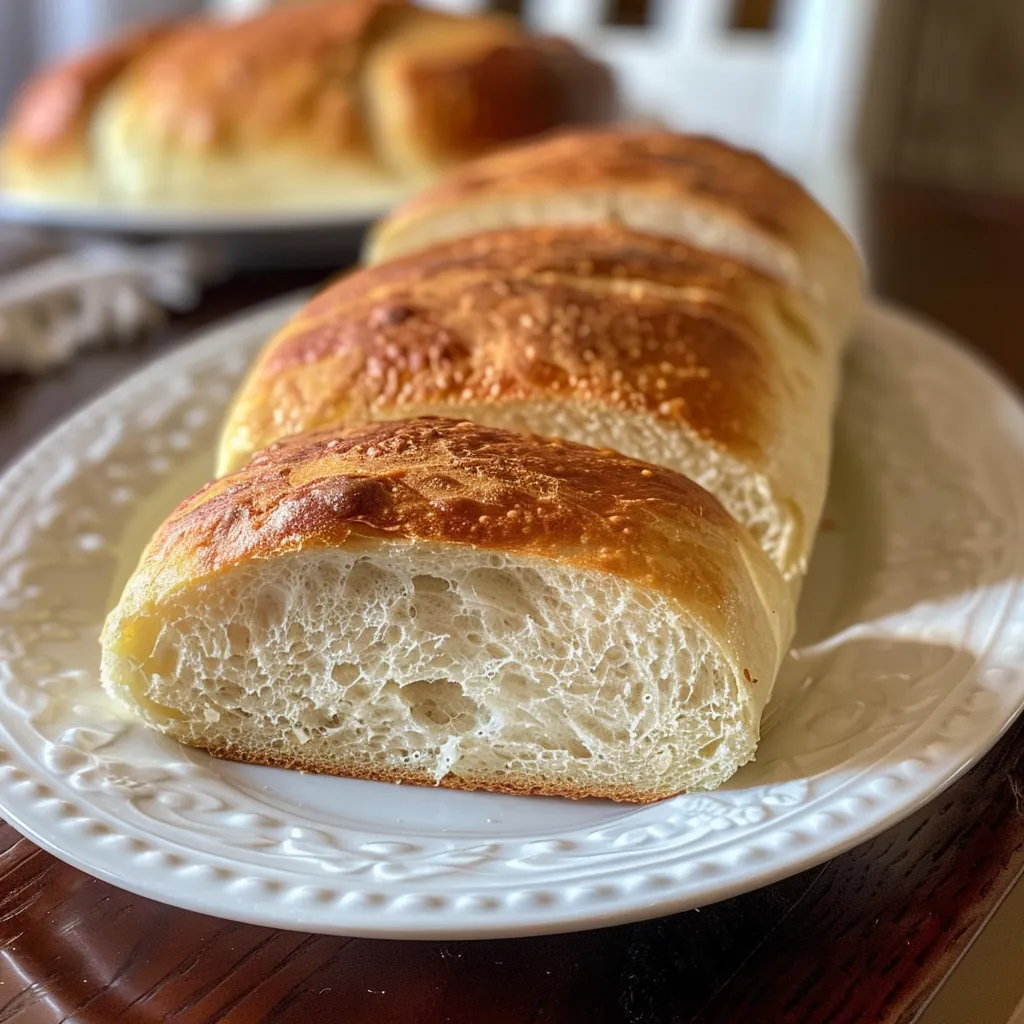
Now that you have your ingredients ready, let’s move on to the steps to create this delicious homemade bread:
- Step 1: Mix the Dough: In a large mixing bowl, combine warm water and yeast, letting it sit for about 5 minutes until it becomes frothy.
- Step 2: Add Ingredients: Stir in sugar, powdered milk, salt, butter, and oil, mixing until well combined.
- Step 3: Incorporate Flour: Gradually add the bread flour until a sticky dough forms. You may need to adjust the amount of flour slightly.
- Step 4: Knead the Dough: Turn the dough onto a floured surface and knead for about 10 minutes until it’s smooth and elastic.
- Step 5: First Rise: Place the dough in a lightly greased bowl, cover it with a damp cloth, and let it rise in a warm place for about 1 hour or until it doubles in size.
- Step 6: Shape the Dough: Punch down the dough gently, then shape it into a loaf or rolls, and place it in a greased loaf pan.
- Step 7: Second Rise: Cover and let it rise again until it’s puffy, about 30-45 minutes.
- Step 8: Preheat the Oven: Preheat your oven to 375°F (190°C) while the dough finishes rising.
- Step 9: Bake the Bread: Bake for 25-30 minutes or until golden brown. Tap the bottom of the loaf; if it sounds hollow, it’s done!
- Step 10: Cool and Enjoy: Allow the bread to cool in the pan for a few minutes before transferring it to a wire rack. Slice and savor the love in every bite!
Expert Pro Tips for Perfect Bread
Here are some tried-and-true tips to ensure your homemade bread turns out perfectly every time:
- Measure Accurately: Use a kitchen scale for precision, especially with flour. Too much flour can lead to dense bread.
- Check Yeast Freshness: Always verify that your yeast is active by checking the expiration date. Fresh yeast is key to a good rise.
- Temperature Matters: Ensure your water is warm (not hot) to create an ideal environment for yeast.
- Don’t Rush the Rise: Allow the dough to rise until it’s doubled in size for the best texture.
- Knead with Love: Proper kneading develops gluten, which gives the bread its structure. Knead until smooth and elastic.
- Experiment with Flavors: Add herbs, cheese, or spices to personalize your bread.
- Brush with Butter: For a soft crust, brush melted butter on top after baking.
- Store Properly: Keep your bread in a cool, dry place, wrapped in a cloth or in a bread box to maintain freshness.
Avoiding Common Mistakes
Even the most seasoned bakers can make mistakes. Here are some common pitfalls and how to avoid them:
- Dense Bread: This can happen if there’s too much flour, the yeast is expired, or the dough wasn’t kneaded enough. Always measure carefully!
- Overproofing: Allowing the dough to rise too long can lead to a loaf that collapses. Keep an eye on the dough and use the “poke test” to check readiness.
- Uneven Baking: Rotate your loaf halfway through baking to ensure even heat distribution.
- Crumbly Texture: This can occur from not enough moisture or over-kneading. Make sure to follow the recipe closely!
Delicious Variations to Try
While this recipe is delightful as is, consider trying these tasty variations to spice things up:
- Herb Bread: Add chopped fresh herbs like rosemary or thyme for a fragrant twist.
- Garlic Bread: Incorporate roasted garlic into the dough for a savory flavor.
- Cheese Bread: Fold in shredded cheese like cheddar or parmesan for a cheesy delight.
- Cinnamon Raisin Bread: Add cinnamon and raisins for a sweet breakfast treat.
Storage and Make-Ahead Instructions
Proper storage is key to keeping your homemade bread fresh:
- Room Temperature: Store bread in a bread box or wrapped in a cloth at room temperature for up to 3-4 days.
- Freezing: Slice the bread and freeze it in an airtight container for up to 3 months. Thaw at room temperature or toast slices straight from the freezer.
- Make Ahead: You can prepare the dough up to step 5, then refrigerate it overnight. When ready, shape and let rise before baking.
Frequently Asked Questions
Here are some common questions about homemade bread, along with their answers:
- Can I use all-purpose flour instead of bread flour? Yes, but the texture may be less chewy. Bread flour is recommended for best results.
- What if my dough isn’t rising? Check your yeast’s freshness and ensure the water temperature is warm enough. If all else fails, give it more time!
- How do I know when my bread is done? The bread should be golden brown, and tapping the bottom should sound hollow.
- Can I add seeds to the dough? Absolutely! Flaxseeds, sunflower seeds, or poppy seeds add great texture and flavor.
- What’s the best way to slice the bread? Use a serrated knife for clean, even slices without squishing the loaf.
- Can I make this recipe gluten-free? You can use gluten-free flour blends, but the texture may vary. Be sure to follow specific gluten-free baking guidelines.
- How long does it take to make homemade bread? Including rising time, it typically takes about 3 hours from start to finish.
- What can I serve with homemade bread? Pair it with soups, salads, or enjoy it with butter and jam for a delightful treat.
Nutrition Tips and Dietary Adaptations
For those looking to make healthier choices, consider these adaptations:
- Whole Wheat Flour: Substitute part or all of the bread flour with whole wheat flour for added fiber and nutrients.
- Reduce Sugar: You can decrease the sugar amount for a less sweet loaf without sacrificing texture.
- Dairy-Free Option: Replace butter with coconut oil and omit powdered milk for a dairy-free version.
Essential Equipment for Baking Bread
Having the right tools can make all the difference in your bread-making journey:
- Mixing Bowls: A large mixing bowl for combining ingredients.
- Kitchen Scale: For accurate measurements.
- Wooden Spoon or Dough Scraper: For mixing and kneading.
- Baking Pan: A standard loaf pan or even a Dutch oven for a crusty artisan loaf.
- Wire Rack: For cooling the bread after baking.
Serving Suggestions
Homemade bread is incredibly versatile and can be served in various delightful ways:
- With Soups: A warm slice pairs beautifully with hearty soups or stews.
- Sandwiches: Use it for delicious sandwiches, from classic ham and cheese to gourmet creations.
- Toast: Top with butter, jam, or avocado for a simple yet satisfying breakfast.
- As a Snack: Enjoy it plain, or serve with dips like hummus or olive oil.
Conclusion: Baking with Love
Baking bread is an act of love that transcends generations. With this homemade bread recipe, you’re not just creating a loaf; you’re crafting memories and sharing warmth with those you love. So roll up your sleeves, embrace the process, and let the aroma of freshly baked bread fill your home. Thank you for joining me on this delightful journey. Happy baking!
Homemade Bread
Ingredients
Dough
- 354 g water 1 ½ cups
- 7 g instant yeast 2 ¼ teaspoons
- 70 g sugar ¼ cup + 2 tbsp
- 625 g bread flour about 5 cups
- 32 g powdered milk ¼ cup
- 9 g salt 1 ½ teaspoons
- 60 g butter 5 tbsp (room temperature)
- 13 g oil 1 tbsp
Instructions
- Mix water, yeast, and sugar until dissolved.
- Add flour, powdered milk, salt, butter, and oil; knead until smooth.
- Let the dough rise in a warm place for about 1 hour or until doubled in size.
- Shape the dough into a loaf and place in a greased pan.
- Bake at 375°F (190°C) for 30 minutes until golden brown.