
Welcome to the Joy of Cooking Pasta Primavera
Ah, springtime! The season when nature awakens and brings vibrant colors and fresh flavors to our tables. Today, I invite you to join me in creating a delightful Pasta Primavera that captures the essence of this beautiful time of year. This dish isn’t just about the ingredients; it’s about the memories we create while cooking and sharing with loved ones. Let’s dive into a recipe that celebrates the love of home-cooked meals, bringing joy and warmth to every bite.
Why You’ll Love This Recipe
This Pasta Primavera is more than just a meal; it’s a celebration of flavors, colors, and the beauty of simplicity. Here are some reasons why this dish will have a special place in your heart:
- Fresh Ingredients: Utilizing seasonal, fresh vegetables makes this dish not only delicious but also packed with nutrients.
- Customizable: You can easily swap in your favorite vegetables or whatever you have on hand, making it a versatile choice for any occasion.
- Quick to Prepare: This recipe can be on your table in under 30 minutes, perfect for busy weeknights.
- Family-Friendly: With its colorful presentation and vibrant flavors, it’s sure to please both kids and adults alike.
- Healthy and Light: This dish emphasizes vegetables and healthy fats, creating a nourishing meal that won’t weigh you down.
Gathering the Ingredients
Let’s take a closer look at what you’ll need to create this delightful Pasta Primavera, along with some helpful substitutions:
- 12 oz (340g) fettuccine or penne pasta: For gluten-free options, use gluten-free pasta or zucchini noodles.
- 3 tablespoons (45ml) olive oil, divided: Olive oil adds flavor and helps in sautéing; you can substitute with avocado oil if desired.
- 1 medium zucchini (about 8 oz/225g), sliced into half-moons: Yellow squash works well here too.
- 1 yellow squash (about 8 oz/225g), sliced into half-moons: For extra color, feel free to add red or orange bell peppers.
- 1 red bell pepper (about 6 oz/170g), thinly sliced: Any bell pepper will work; consider using sweet mini peppers for variety.
- 1 cup (150g) cherry tomatoes, halved: Substitute with grape tomatoes or even diced regular tomatoes.
- 1 cup (100g) fresh asparagus, trimmed and cut into 2-inch pieces: You can replace this with green beans or snap peas.
- 1 cup (100g) broccoli florets: Broccolini or cauliflower florets can also add a nice touch.
- 4 cloves garlic, minced (about 4 teaspoons): Garlic powder can be used in a pinch, but fresh garlic is always best.
- 1/4 teaspoon red pepper flakes (optional): Adjust to your heat preference or omit entirely.
- 1/2 cup (120ml) vegetable broth: Chicken broth works too, or use pasta cooking water for a lighter option.
- 2 tablespoons (30ml) fresh lemon juice: Freshly squeezed lemon juice brightens the dish; bottled juice is okay but less flavorful.
- 1/2 cup (50g) grated Parmesan cheese, plus more for serving: For a vegan option, consider nutritional yeast or a plant-based cheese.
- 1/4 cup (15g) fresh basil leaves, thinly sliced: Fresh parsley or arugula can also be delightful alternatives.
- Salt and freshly ground black pepper, to taste: Essential for balancing flavors.
Step-by-Step Instructions
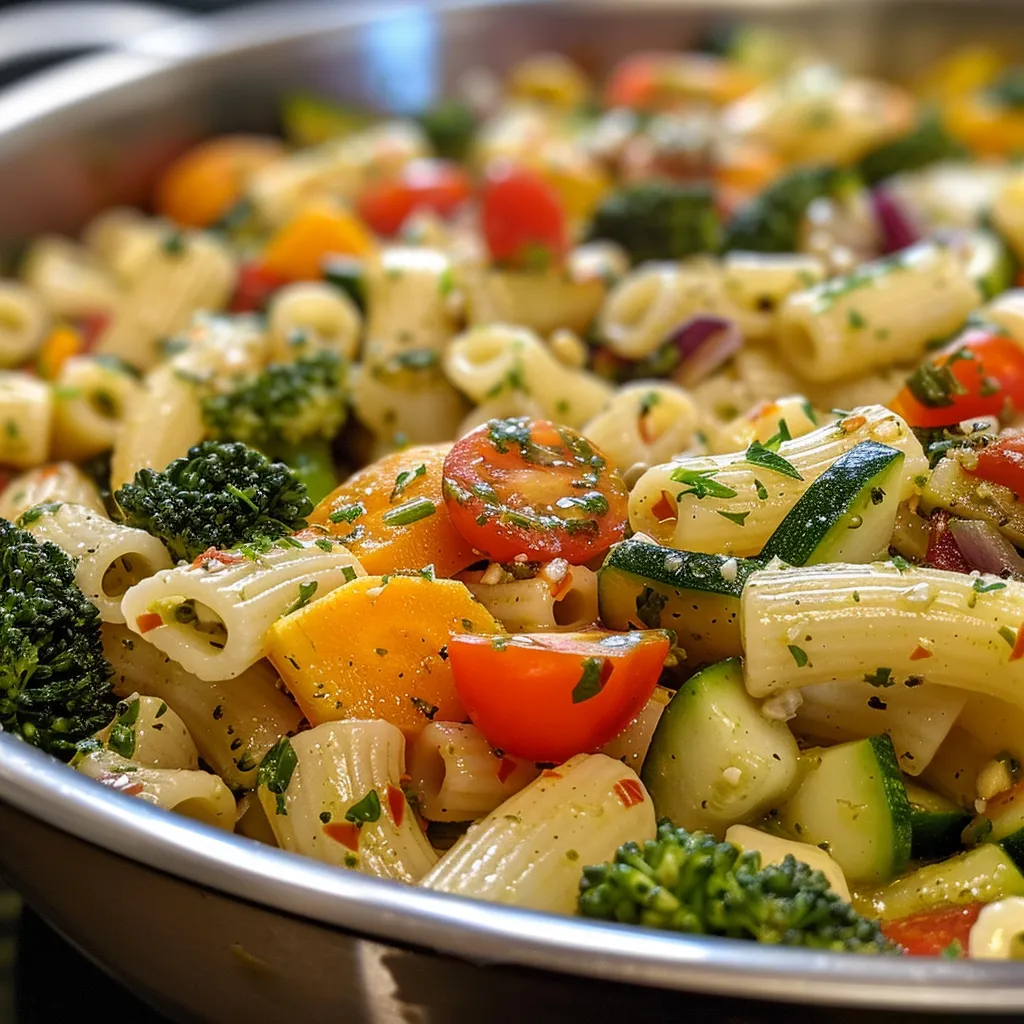
Now that we have our ingredients, let’s walk through the steps to create this beautiful Pasta Primavera:
- Prepare the Pasta: Bring a large pot of water to a rolling boil. Add 1 tablespoon of salt to the water—this is essential for flavorful pasta! Add your pasta and cook until just al dente, about 1-2 minutes less than package directions suggest. Before draining, reserve 1 cup of pasta water. Drain the pasta and toss with a small drizzle of olive oil to prevent sticking while you prepare the vegetables.
- Cook the Vegetables: Heat 2 tablespoons of olive oil in a large skillet over medium-high heat. Add the broccoli florets and asparagus pieces first, cooking for 2-3 minutes until they begin to soften but still retain their bright color. Next, add the zucchini and yellow squash, cooking for another 2 minutes until they begin to become tender. Add the bell peppers and continue cooking for 1-2 minutes more. The vegetables should be crisp-tender—they’ll continue cooking slightly in the next steps.
- Create the Sauce: Push the vegetables to one side of the pan and add the remaining tablespoon of olive oil to the empty space. Add the minced garlic and red pepper flakes (if using) to the oil and sauté for 30-60 seconds until fragrant but not browned. This blooms the flavors in the oil without burning the garlic. Pour in the vegetable broth and lemon juice, then stir everything together, scraping up any flavorful bits from the bottom of the pan.
- Combine and Finish: Add the cherry tomatoes to the pan and cook just until they begin to soften, about 1 minute. Lower the heat to medium-low, then add the drained pasta to the skillet with the vegetables. Toss everything together, adding small amounts of the reserved pasta water as needed to create a light sauce that coats everything beautifully. Sprinkle in the Parmesan cheese and continue tossing until the cheese melts and helps bind the sauce. Season with salt and freshly ground black pepper to taste.
- Garnish and Serve: Remove the pan from heat and gently fold in the fresh basil. Transfer your Pasta Primavera to a large serving bowl or individual plates. Garnish with additional Parmesan cheese and a few extra basil leaves for visual appeal. Serve immediately while still hot, passing extra Parmesan at the table for those who desire more cheese.
Pro Tips for Perfect Pasta Primavera
To ensure your Pasta Primavera turns out absolutely delightful every time, here are some expert insights to keep in mind:
- Use seasonal vegetables: They are fresher, tastier, and often more affordable.
- Don’t overcook the pasta: Remember, you want it to be al dente for the best texture!
- Reserve pasta water: This starchy water helps the sauce adhere to the pasta beautifully.
- Cook vegetables in batches: This ensures even cooking and prevents overcrowding in the pan.
- Experiment with herbs: Fresh herbs can elevate the dish; try adding thyme or dill for a twist.
- Adjust seasoning at the end: Taste and adjust with salt and pepper for the best flavor profile.
- Serve immediately: This dish is best enjoyed fresh and hot, so don’t let it sit too long!
- Pair with a crisp salad: A simple green salad complements the richness of the pasta nicely.
- Store leftovers properly: Keep in an airtight container in the fridge for up to 3 days for maximum freshness.
Common Mistakes and Troubleshooting
Even the best of us can face challenges in the kitchen. Here’s how to avoid common pitfalls:
- Watery sauce: If your sauce is too thin, add more pasta water gradually until it reaches your desired consistency.
- Overcooked vegetables: Aim for a vibrant color and crisp-tender texture; they should be bright and not mushy.
- Flavorless dish: Make sure to season your pasta and sauce well; taste as you go!
- Sticking pasta: A drizzle of olive oil after cooking can help prevent the pasta from sticking together.
Delicious Variations to Try
This Pasta Primavera is wonderfully adaptable! Here are some variations to inspire your creativity:
- Protein Boost: Add grilled chicken, shrimp, or tofu for added protein and heartiness.
- Creamy Version: Stir in a splash of cream or a dollop of mascarpone for a richer sauce.
- Spicy Twist: Add additional red pepper flakes or a dash of hot sauce for those who love heat.
- Swap the Pasta: Use whole grain, chickpea, or lentil pasta for a different flavor and nutritional profile.
Storage and Make-Ahead Instructions
This Pasta Primavera is perfect for meal prep! Here’s how to store it:
- Refrigerate: Store in an airtight container for up to 3 days. Reheat gently on the stove or microwave, adding a splash of water to rehydrate.
- Freezing: While it’s best fresh, you can freeze leftovers for up to 2 months. Thaw in the fridge overnight before reheating.
- Make-Ahead: You can chop vegetables and cook the pasta ahead of time, storing them separately until you’re ready to combine.
Nutritional Tips and Dietary Adaptations
Looking to make your Pasta Primavera even healthier? Here are some tips:
- Whole grain pasta: Opt for whole grain or legume-based pasta to increase fiber and protein content.
- Reduce cheese: Use less Parmesan or substitute with a nutritional yeast for a vegan option.
- Load up on veggies: Add more vegetables to increase volume without significantly increasing calories.
Equipment Recommendations
To make cooking this Pasta Primavera a breeze, here’s what I recommend:
- Large pot: Essential for boiling pasta effectively.
- Skillet: A wide, non-stick skillet is perfect for sautéing vegetables.
- Wooden spoon: Great for stirring and combining ingredients.
- Colander: For draining the pasta easily.
Serving Suggestions
This Pasta Primavera is best served hot and fresh. Here are some delightful serving suggestions:
- Garnish: Top with extra basil and Parmesan cheese for a beautiful presentation.
- Alongside a salad: Pair with a crisp side salad for a complete meal.
- With garlic bread: Serve with warm garlic bread to soak up the delicious sauce.
Frequently Asked Questions
Here are some common questions about Pasta Primavera:
- Can I use frozen vegetables? Yes, but fresh vegetables provide a better texture and flavor.
- What if I don’t have vegetable broth? Water can be used instead, but broth enhances the flavor.
- Is this recipe vegan? It can be made vegan by omitting cheese or using a plant-based alternative.
- Can I add meat to this dish? Absolutely! Grilled chicken or shrimp are great additions.
- How do I reheat leftovers? Gently reheat on the stove with a splash of water to keep it from drying out.
- Can I prepare this dish in advance? Yes, you can prep the ingredients ahead of time for a quick cook later.
- What’s the best type of pasta to use? Any pasta will work, but fettuccine or penne are traditional choices.
- How can I make it spicier? Add more red pepper flakes or a dash of hot sauce for extra heat.
In conclusion, this Pasta Primavera is not just a recipe; it’s an invitation to create, share, and savor every moment spent in the kitchen. Whether you’re cooking for family or enjoying a quiet evening at home, this dish is here to bring warmth and joy to your table. So grab your ingredients, let’s cook with love, and make memories one bite at a time!
Pasta Primavera Recipe
Ingredients
Pasta
- 340 g fettuccine or penne pasta
- 45 ml olive oil, divided
- 225 g zucchini, sliced into half-moons
- 225 g yellow squash, sliced into half-moons
- 170 g red bell pepper, thinly sliced
- 150 g cherry tomatoes, halved
- 100 g fresh asparagus, trimmed and cut into 2-inch pieces
- 100 g broccoli florets
- 4 cloves garlic, minced
- 0.25 tsp red pepper flakes (optional)
- 120 ml vegetable broth
- 30 ml fresh lemon juice
- 50 g grated Parmesan cheese, plus more for serving
- 15 g fresh basil leaves, thinly sliced
Salt and freshly ground black pepper
Instructions
- Cook pasta in boiling salted water until al dente; reserve 1 cup pasta water, then drain and set aside.
- Sauté broccoli and asparagus in 2 tbsp olive oil until slightly tender, then add zucchini, yellow squash, and bell peppers; cook until crisp-tender.
- Push vegetables aside, add remaining olive oil, sauté garlic and red pepper flakes briefly, then add broth and lemon juice; stir to combine.
- Add cherry tomatoes, cook briefly, then toss in drained pasta. Mix in Parmesan, adding pasta water as needed to create a light sauce. Season with salt and pepper.
- Remove from heat, fold in basil, and serve topped with extra Parmesan and basil leaves.